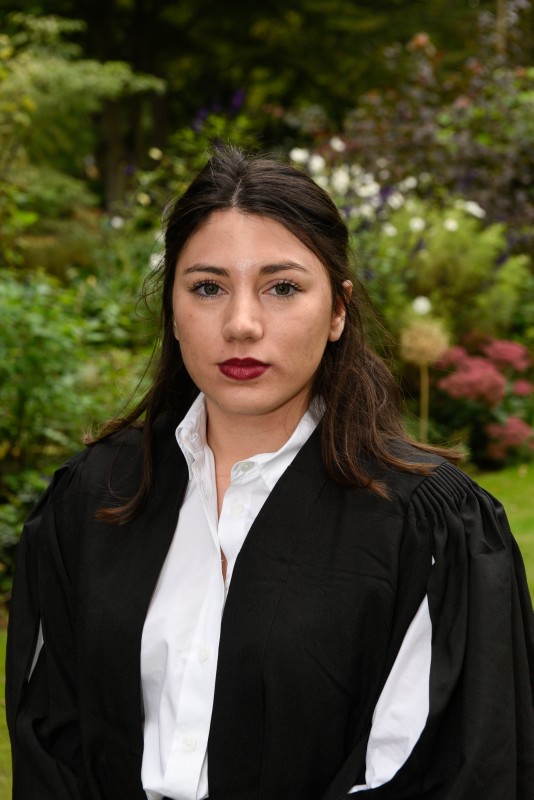
Margaux Forner is a third-year student in the ISMIN program. She is currently pursuing a dual degree at the University of Cambridge (United Kingdom). From Queen’s College, she shares her daily life with us.
Could you introduce yourself?
My name is Margaux Forner, I am 23 years old, and I am currently pursuing a Master of Science in Engineering with a specialization in electrical and electronic engineering at the University of Cambridge in the United Kingdom. I am also affiliated with Mines Saint-Etienne in the ISMIN (Specialized Engineer in Microelectronics and Computer Science) program.
When did you go abroad?
I went abroad in my 2nd year for an international internship. I completed it at the University of Cambridge in the bioelectronics laboratory. And in my 3rd year, this year, I decided to pursue a dual degree outside the conventional agreement, also at the University of Cambridge. I would like to once again express my sincere gratitude to Dr. David Moreau and Michel Fiocchi for their support and guidance.
How are the courses structured at your host university?
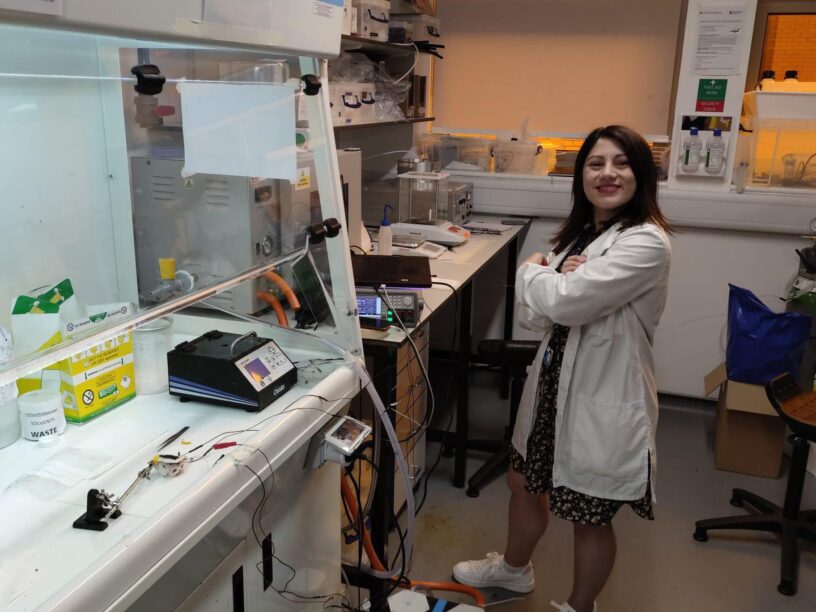
Most of my time is dedicated to my research activities. I am affiliated with Professor George Malliaras’ bioelectronics laboratory, where I study in the field of bio-hybrid implants. In addition to my research activities, I have two, or a maximum of three, course units per term for two terms. The courses I follow are those I selected: Quantum and Nanotechnology, Computational Neuroscience, Bioelectronics and Biosensors, Strategic Management, and Researcher Development Course in Electrical Engineering. I have classes three days a week for 1 or 2 hours. The courses are of high quality, and attending them is a real pleasure.
What do you take away from this experience?
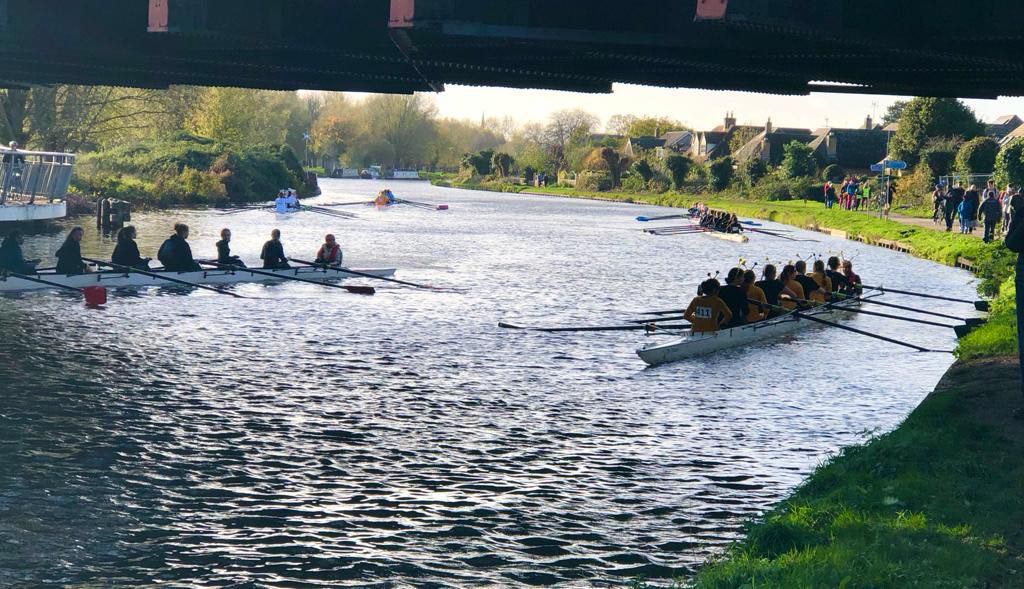
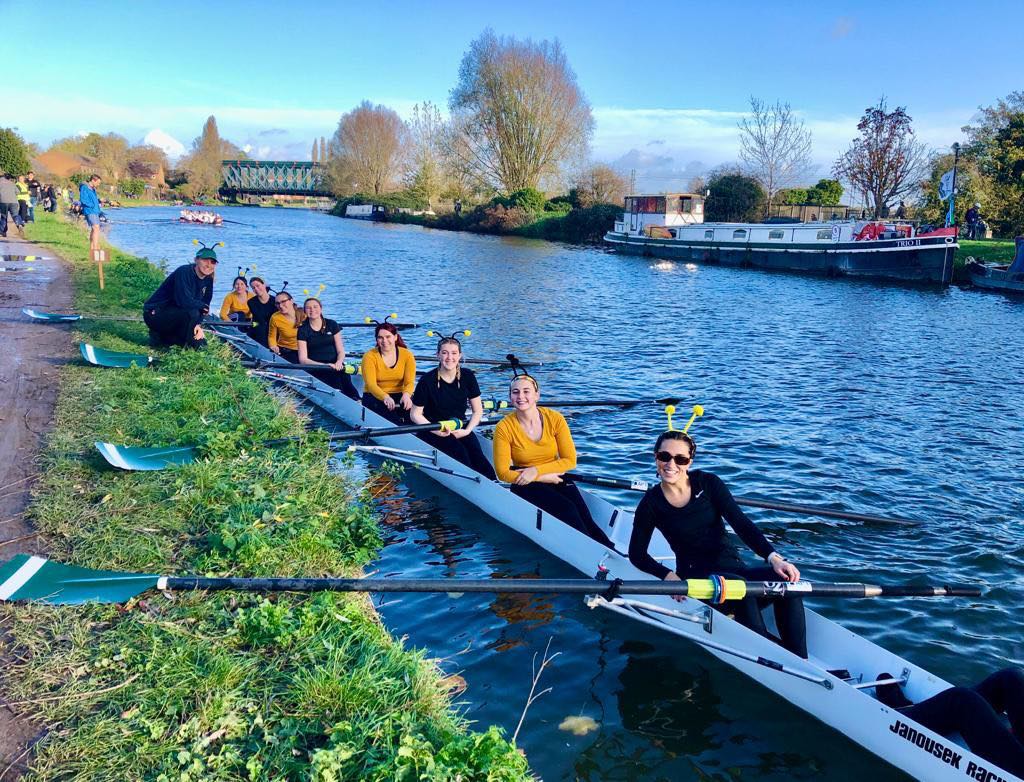
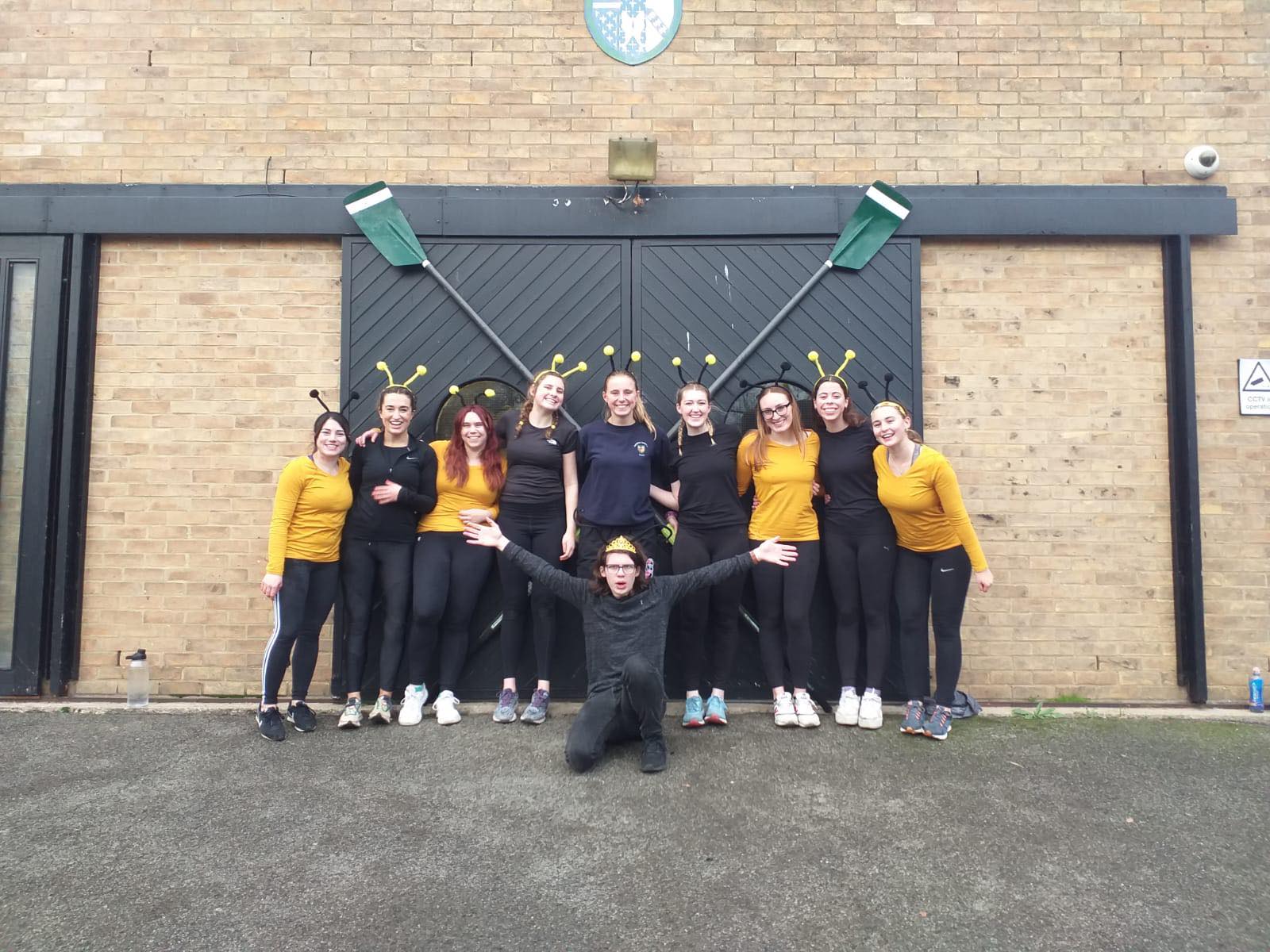
This experience is far from over; I still have so much more to experience! So far, I have gained a wealth of knowledge, cultural insights, and great memories. My life here is split between my classes, my research, my college (Queens’), and the college rowing club. I also spend a lot of time on a bike, as it is the quintessential mode of transport in Cambridge. My day begins at 6:00 AM or 7:00 AM at the rowing club. Our college has a large club, and the competition is fierce. I train six to seven times a week and go out on the river many times with my crew! To represent the college, one must stand out; even though some of these training sessions—particularly those on the rowing machines—are not mandatory, participating in them demonstrates determination and allows for improvement.
Then, if I have classes, they are from 9 AM to 10 or 11 AM; otherwise, I go directly to the electronics division buildings, which house the bioelectronics group’s laboratories. They also have several cleanrooms (rooms where the particle count is below certain thresholds). I stay in the labs until 6 or 7 PM, or even later, depending on my weekly objectives. After that, I often have ‘socials’ and events, whether with my college, colleagues, friends, or housemates. I am very fulfilled here, and I absolutely do not regret my choice!
How can your international mobility help you in your future professional career?
To be completely honest, I chose to go to Mines Saint-Etienne for the ISMIN program because I wanted to do research in bioelectronics. Due to my interest in this field, I knew that Professor George Malliaras was, at the time, the director of the bioelectronics laboratory on the George Charpak Provence campus. This further motivated my choice. Working alongside him in Cambridge is, for me, a decisive opportunity. In addition to working with a prominent figure in the field of bioelectronics, I am working on a subject that will likely be the one I continue for my thesis. This allows me to train in microfabrication, cell culture, and have a year to explore the subject before delving deeper into it for my thesis. This Master of Science in Engineering is therefore a first step towards an exciting doctorate.
Do you have a memory or anecdote to share with us?
Unfortunately, I couldn’t pick just one, so here are my favorites.
Some of the best moments are when we manage to get certain components related to the research project to work. After weeks, or even months, of no success, achieving a result, however minimal, is electrifying.
Another great moment was in mid-November when I participated in a rowing competition: Emma Sprints. It’s a regatta for novices (a 750m sprint). The atmosphere was superb, and the club’s supporters were there. I had a lot of fun, and there was an excellent team spirit! I also have excellent memories of the people I met here. Pub culture is not just a myth. From time to time, I go there with my laboratory team.