For several years, the School has implemented numerous tools and initiatives focused on the health and well-being of its students.
Focus on the actions implemented:
The health crisis highlighted the psychological difficulties students face, as well as the precariousness they encounter, particularly regarding access to healthcare. To address these challenges, the School has implemented several initiatives to improve student well-being and combat precariousness.
Psychological support
A psychologist supports students in difficulty through office hours on our two campuses. These sessions were increased to twice a week following the health crisis. During the 2021-2022 academic year, no fewer than approximately 15 appointments were made each week.
Healthcare service
Since February 2022, students have been able to benefit from free teleconsultations. The School has signed a partnership with the medical teleconsultation platform Qare. This allows our students to consult a doctor across more than 30 specialties via video, without upfront costs, 7 days a week.
Combating period poverty
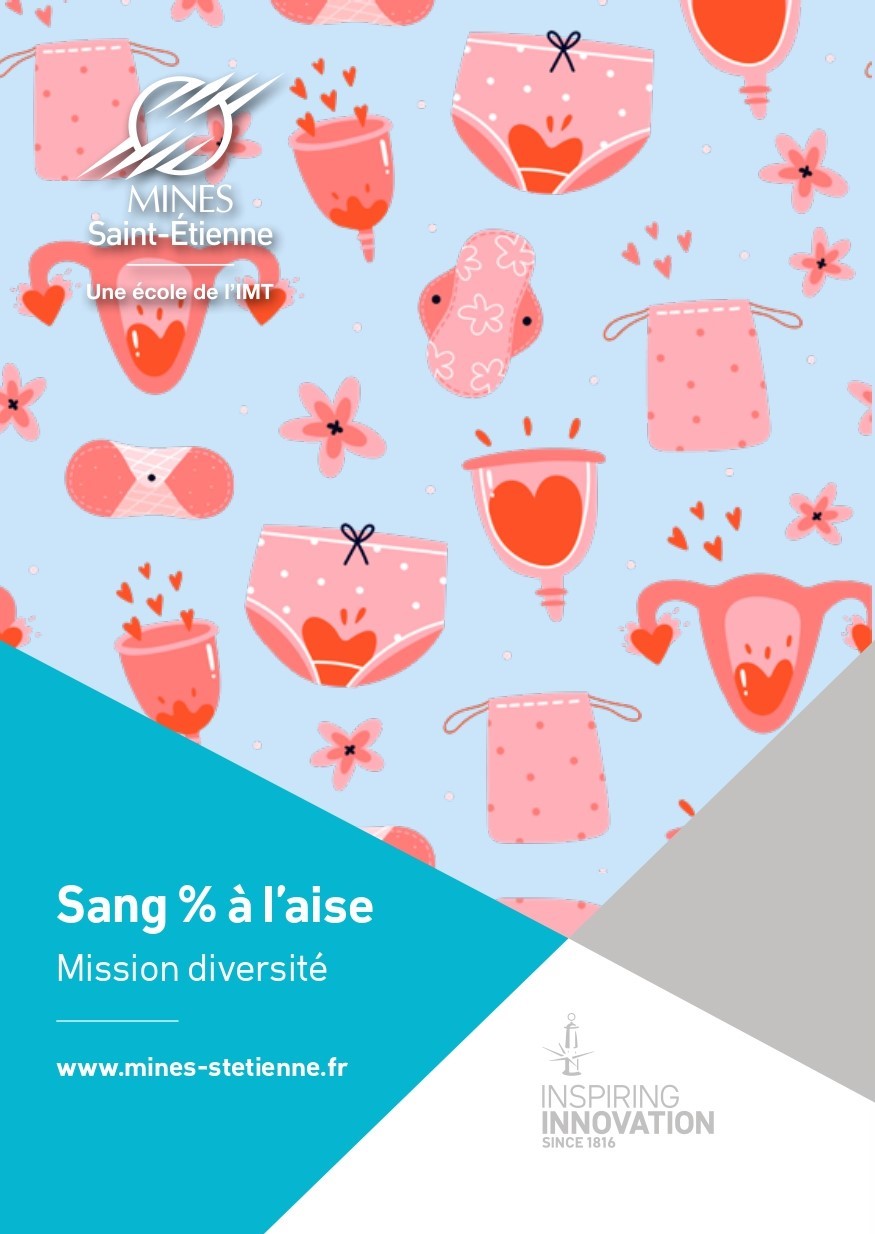
A study was launched in 2021 by the School’s teaching teams, the WoMines student association, and students to find ways to combat period poverty among female students. To this end, the School aimed to be a pioneer on the subject by providing intimate hygiene products to its students. Consequently, since the start of the 2022 academic year, all female students at the School can benefit from free intimate hygiene products. The School has partnered with several providers based on specific criteria: eco-responsible, local, ethical, and committed companies. The companies So’Cup (menstrual cups and reusable panties), Clitty (washable sanitary pads), and Marguerite & Cie (dispensers with tampons and disposable pads) were selected.
Prevention and student support
The School has signed an agreement with the University Preventive Medicine (MPU) service to modernize the prevention policy, improve student access to care, and strengthen social support. Medical support for students includes access to all services offered by the University Preventive Medicine (MPU): doctors, nurses, psychologists, and dieticians. The MPU is committed to providing specific visits for students with disabilities to provide an assessment, enabling the School to implement accommodations for courses and/or exams (e.g., extra time, special conditions such as written rather than oral exams, or adaptation of language tests like the TOEIC, etc.). The MPU also commits to conducting prevention activities within the school specifically for 1st year ICM students. These actions provide an opportunity to address social or well-being themes (e.g., stress management, nutrition-related issues, substance abuse, etc.) and to raise awareness of other MPU services and activities. The 2021 back-to-school initiative focused on mental health.
Contact
Hélène Pangot, Gender Equality Officer for Mines Saint-Étienne.
helene.pangot@mines-stetienne.fr
Tel. : 04 77 49 97 20