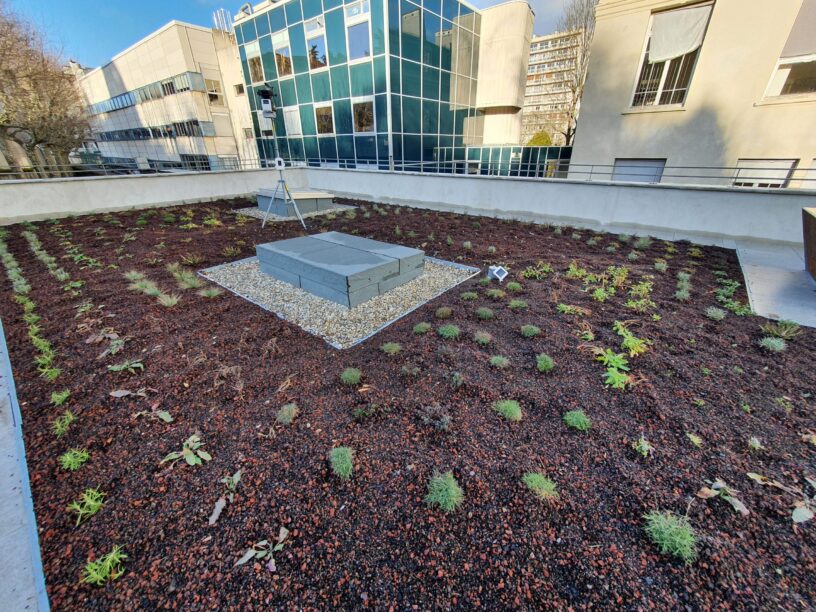
For several weeks now, Mines Saint-Etienne has been testing a vegetated roof terrace combined with an urban rain garden. Previous studies have shown that a vegetated roof terrace (VRT) alone can reduce stormwater runoff by 70%. However, such a system combining a VRT and an urban rain garden (URG) has never been monitored before.
Explanation:
Water management for a sustainable city
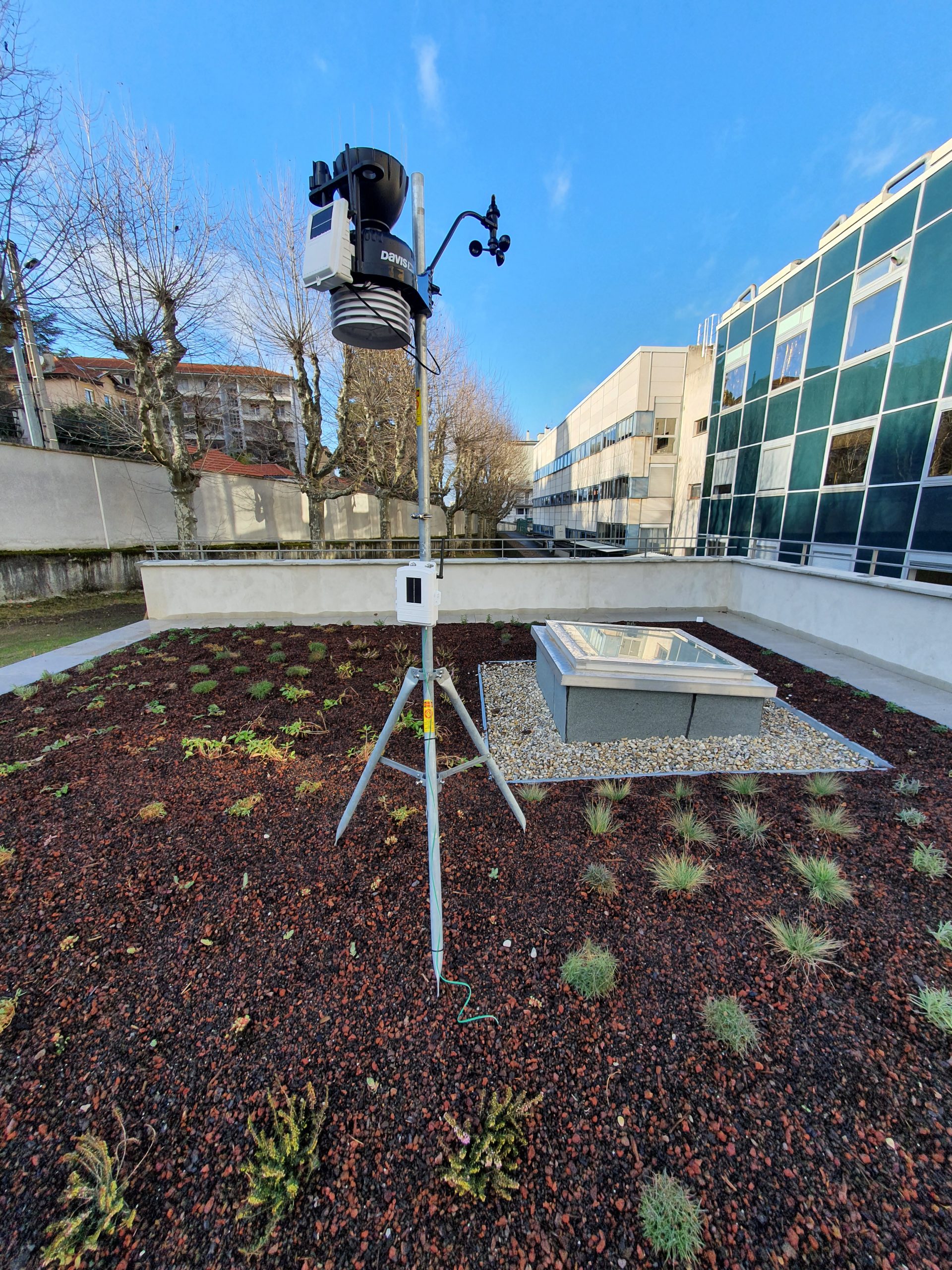
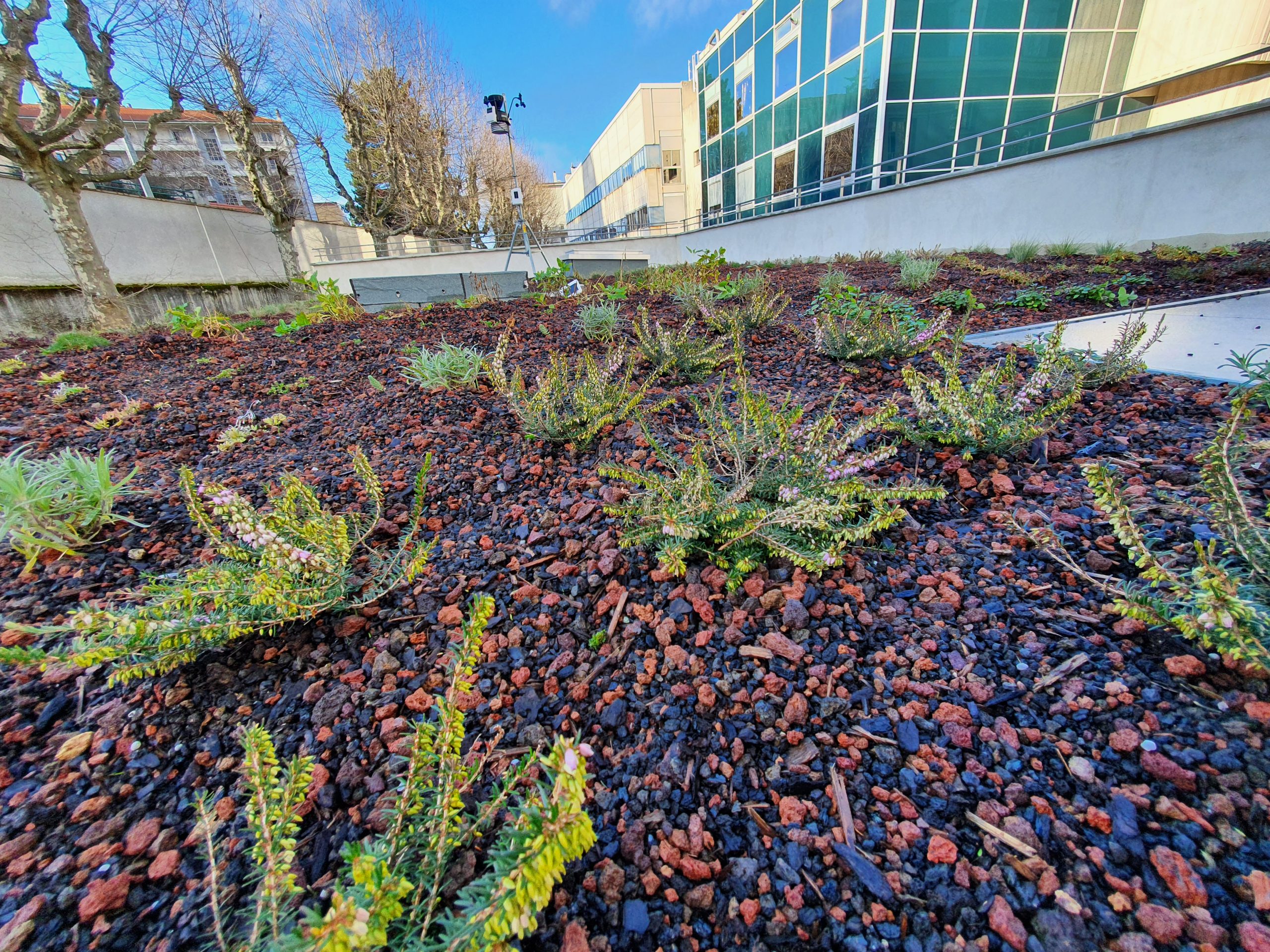
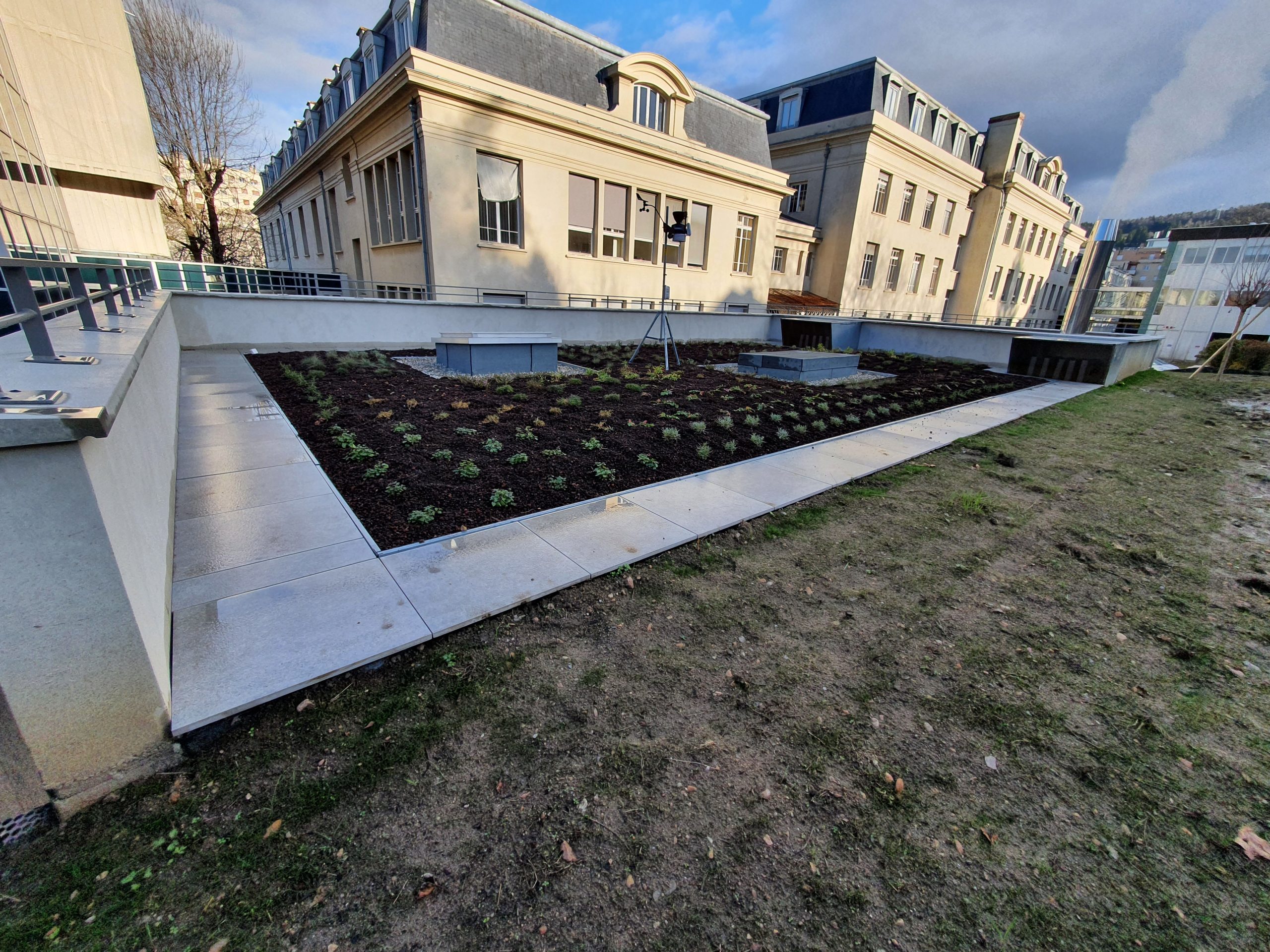
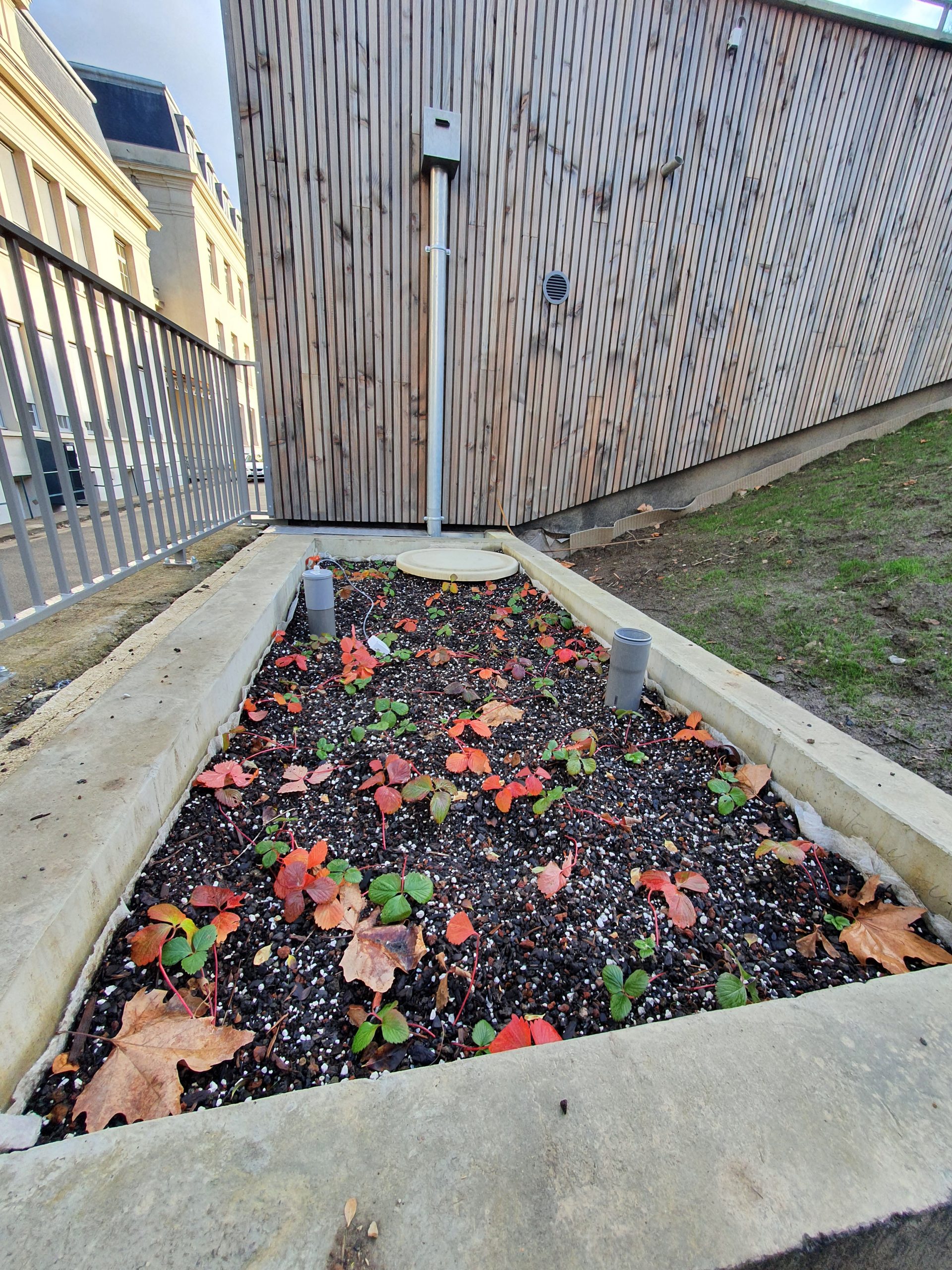
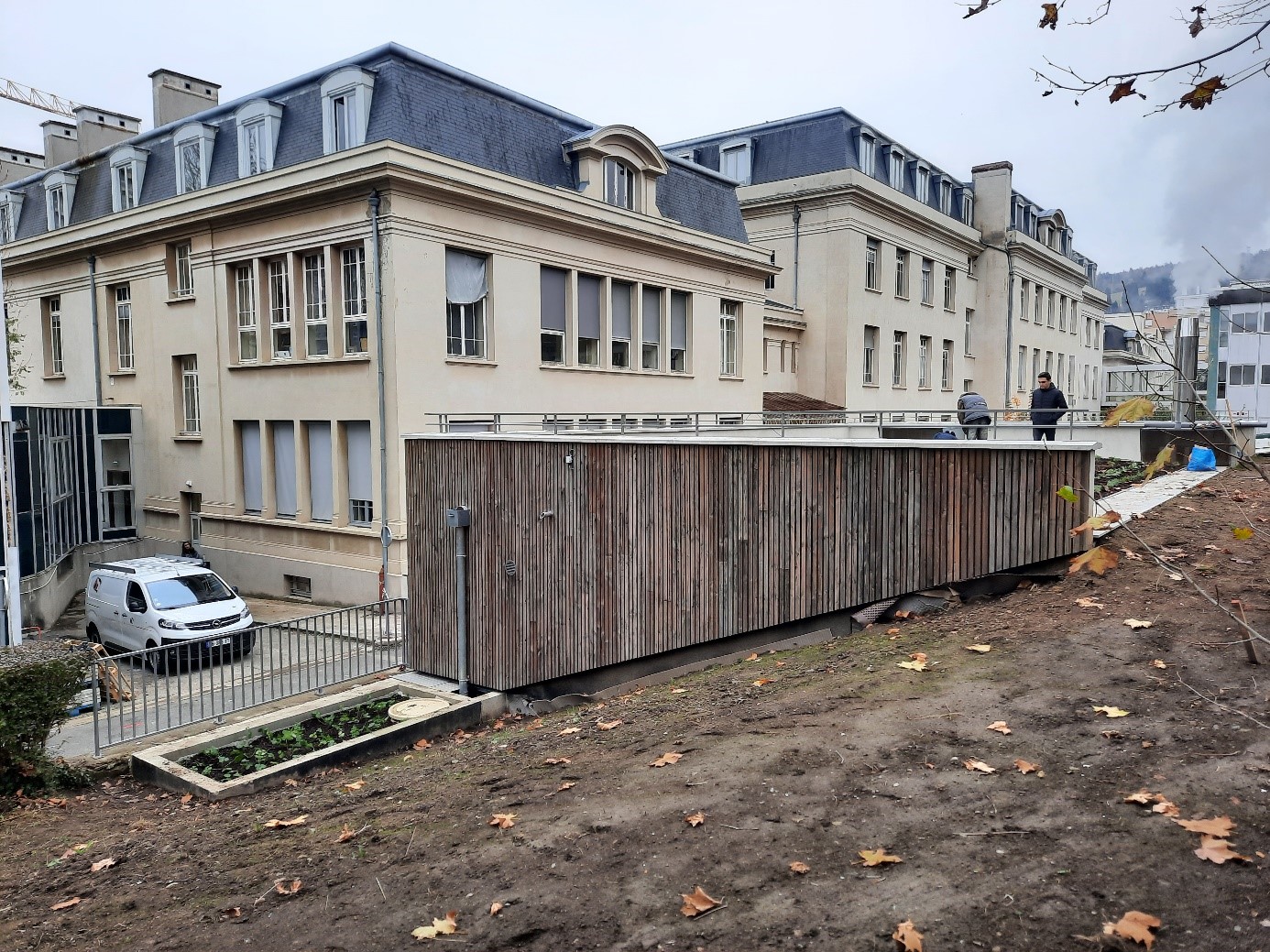
The construction of a new boiler plant has enabled the School to install a green roof terrace (GRT) together with an urban rain garden. Installed on the Saint-Étienne campus, the GRT covers approximately 150 m², while the URG covers 4 m². The purpose of this type of system is to retain rainwater, avoiding runoff that can cause flooding in particular. In this way, the impact of rainfall is reduced while contributing to local urban cooling.
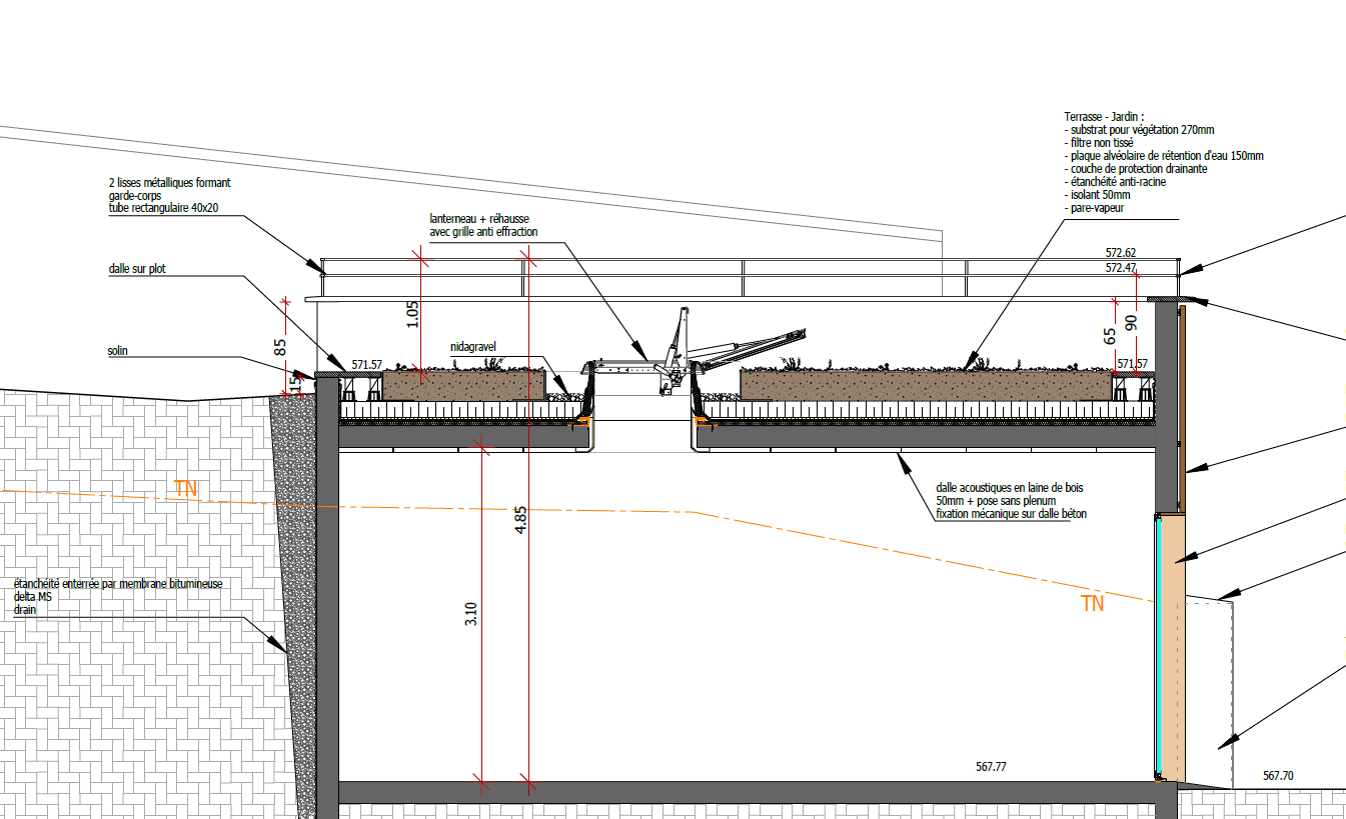
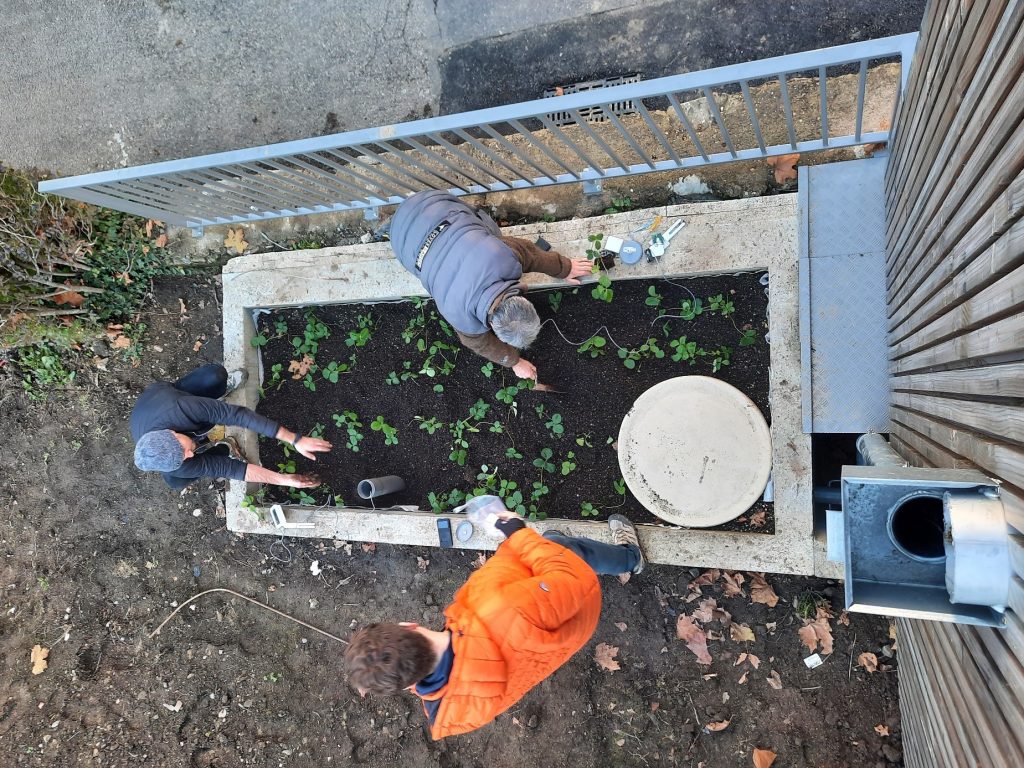
With this system, rainwater no longer flows directly into the sewer network, but is first stored and evapotranspired. The roof is covered with substrate (soil) and plants. During rainfall, “part of the water will be taken up by the plants for their growth,” explains Eric Piatyszek, the lecturer-researcher in charge of the project. The remainder “is stored in the soil” and in a reservoir. This is a “cellular storage layer” located beneath the substrate, Eric continues: “these are small PVC cells. During relatively long dry periods, when the soil begins to dry out, this will allow the water stored in the cells to evaporate and move back into the substrate, to then be used by the plants.” Once the roof reservoir is full, the urban rain garden comes into play. Designed by Source Urbaine, it collects water from the GRT. It operates like the GRT but with a smaller reservoir. As a last resort, when all reservoirs are full, the water is discharged into the sewer network pipes.
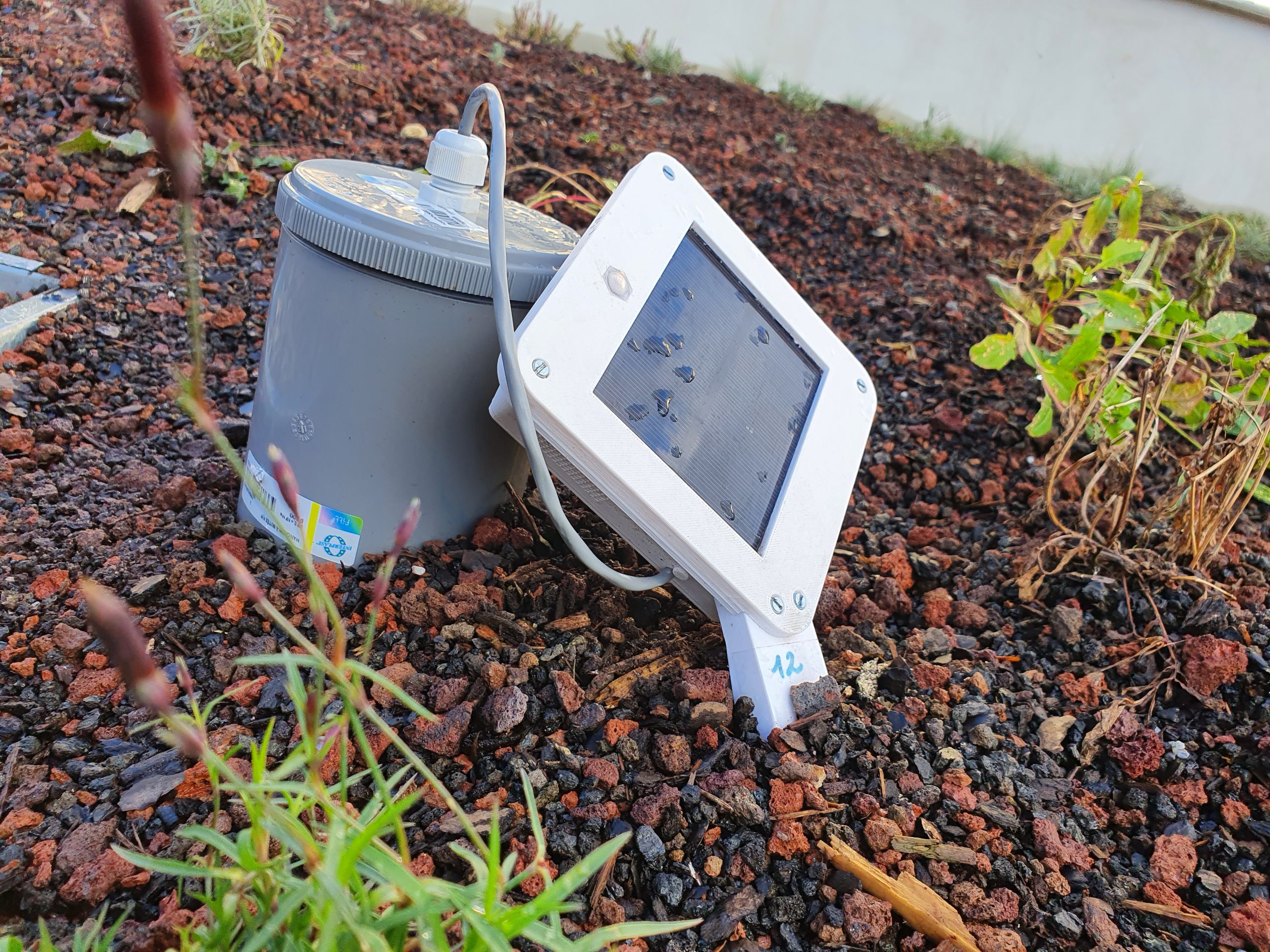
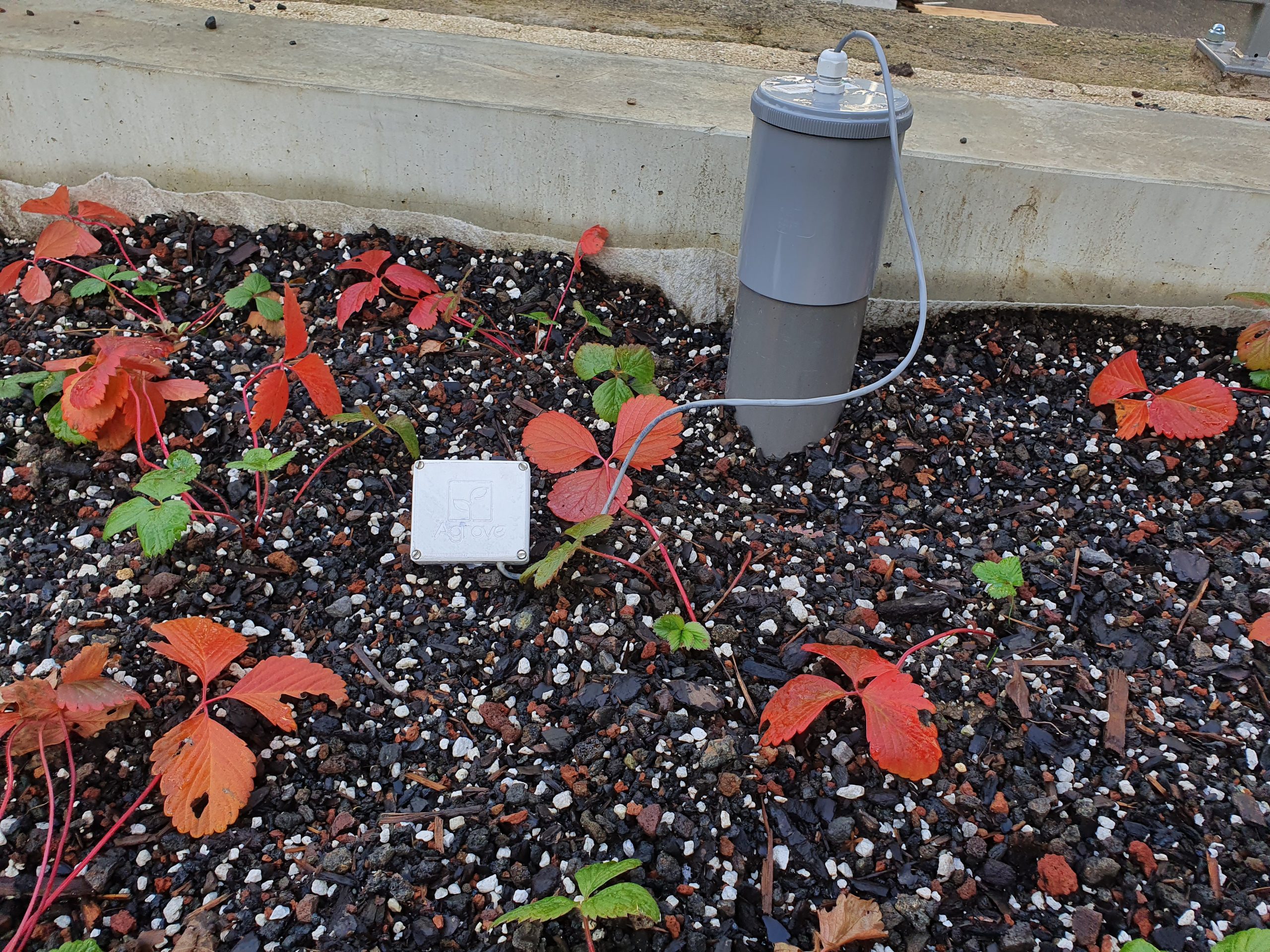
To monitor the system, sensors have been installed on the GRT and the URG. Developed by Agrove, they make it possible to track soil moisture and the water level in the cellular storage layer. In addition, a weather station has been set up to monitor climatic parameters (rain, wind, temperature, etc.).
Addressing climate change and urbanisation
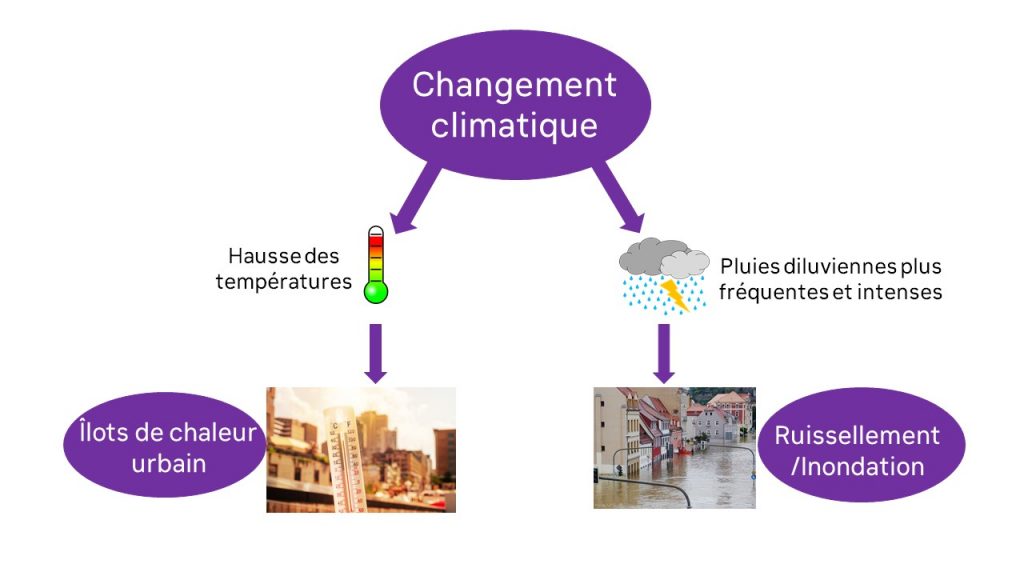
Dense, urbanised cities prevent rainwater from infiltrating. It runs off, which can cause flooding. Another phenomenon is urban heat islands. With rising temperatures due to climate change and increasingly frequent heatwaves, urban heat islands are emerging (temperatures in city centres higher than in surrounding areas).
As a result, such a system implemented by Mines Saint-Étienne is intended to mitigate flooding through water storage and evapotranspiration, and to green cities, thereby cooling them.
The project, funded by the Loire-Bretagne Water Agency, has been operational since November 2021. The first results are expected in about a year.