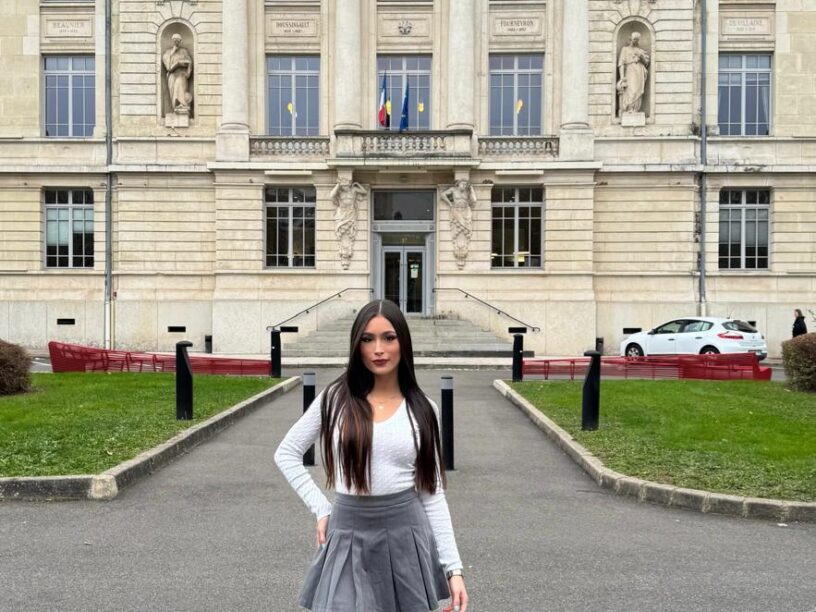
We conclude the week of women and girls in science with a portrait of Mafe (Maria-Fernanda), an ICM student at Mines Saint-Étienne. Originally from Colombia, she is simultaneously pursuing a degree in Industrial Engineering at the Technological University of Pereira.
An IMT ambassador passionate about industrial engineering, Mafe shares her entrepreneurial determination with us. In this article, she explains that France can learn from Colombia regarding the feminisation of engineering.
How can we spark a scientific vocation in girls?
In France, the association Elles bougent pour l’orientation works to promote engineering and technical professions to young girls in middle and high schools. Men and women with scientific backgrounds, as well as higher education students, come to share stories of their choices, training, and career paths to inspire middle and high school girls to follow the same path. One observation remains: to attract girls to scientific studies, we would need to start earlier.
The Ministry of National Education points out: “from primary school onwards, girls achieve better academic results than boys,” and it is gender stereotypes, acquired from a very young age, that discourage girls from pursuing scientific studies.
Mafe’s scientific and entrepreneurial vocation began very early. From a young age, she was curious and determined to start her own business. When it came time to choose a career path, it was her parents who guided her towards industrial engineering.
“Originally, I was hesitating between business administration and industrial engineering, as both allowed me to pursue my entrepreneurial goals. It was my parents who helped me understand that industrial engineering would offer me a more comprehensive education, combining knowledge in mathematics, physics, computer science, and management. Thanks to their support, I dared to choose a more demanding but also more rewarding path.”
In Colombia, choosing to study industrial engineering means combining a strategic vision of business with solid technical skills. Industrial engineering aims to design, improve, and optimise systems where people, processes, resources, information, and technology interact, in order to make organisations more efficient, productive, safe, and profitable.
“For me, it was the most professional and complete path to achieve my life project.”
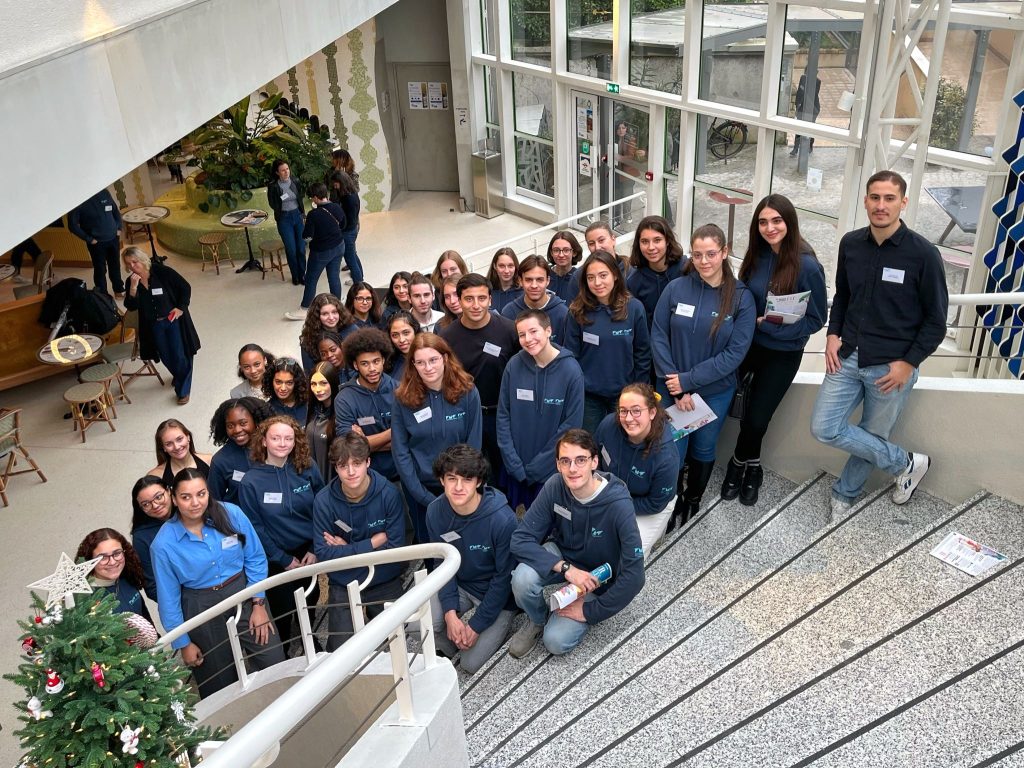
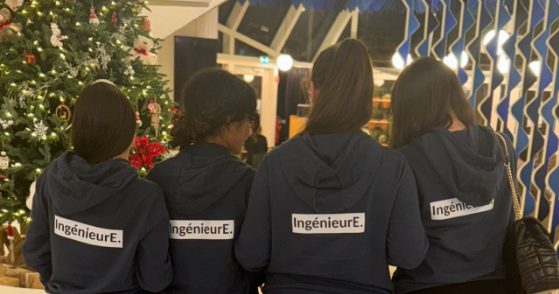
The importance of one’s surroundings stands out in all testimonies from women in science. Mafe had parents who supported her, and today she is passing the torch by encouraging other young women to consider a scientific career. This is the objective of the IMT Ambassadors programme. For Mafe, “it is also essential to deconstruct stereotypes and show that engineering is a creative, useful, and human field where women’s skills have a rightful place.”
Finding one’s place is a major question for female engineering students, who represent less than 30% of the student body 1. Being a female engineering student means feeling like you always have to do more to prove your skills. This is especially true when one’s appearance reflects a feminine image that is often disparaged in the field. Mafe tells us:
“I have often been told that I don’t look like an engineering student or that I don’t give the impression of being ‘intelligent,’ simply because I like to dress well, be well-groomed, and feminine. There is still a stereotype that a woman who takes care of her appearance cannot perform well academically, which often surprises people when they discover that I have very good results.”
Mafe, in addition to being a woman in science, is often considered too feminine for her field of expertise.
“I have experienced more subtle and passive-aggressive discrimination from some men, who questioned my knowledge even when I was right, or who had difficulty handling being outperformed, whether in grades, games, or teamwork. There were also times when they preferred to work with other men, even strangers, rather than with me. I also feel a constant pressure to prove that I have the same level, or even a better level, than my male classmates.”
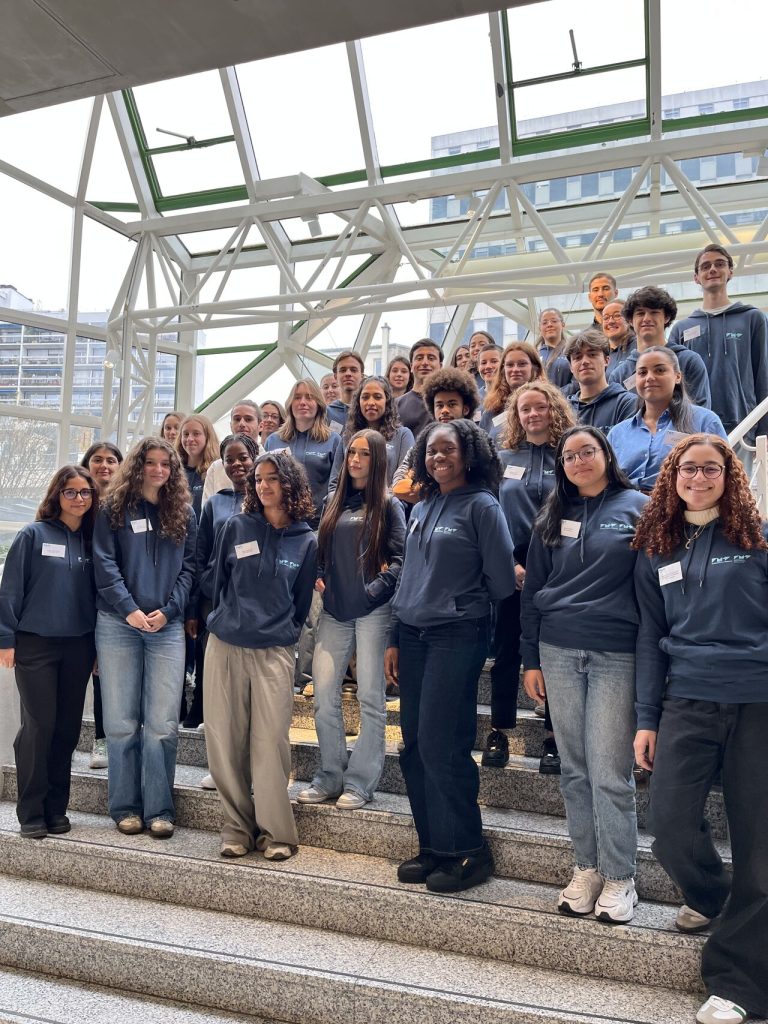
What can France learn from Colombia regarding the feminisation of engineering?
Mafe is one of the 3,800 Colombian students who came to study in France during the 2024-2025 period. A striking figure: among these students, 57% are women 2. France is the seventh most popular international mobility destination for Colombian students, just behind Canada. This mobility mainly occurs within French universities, and only 12% of students head to engineering schools.
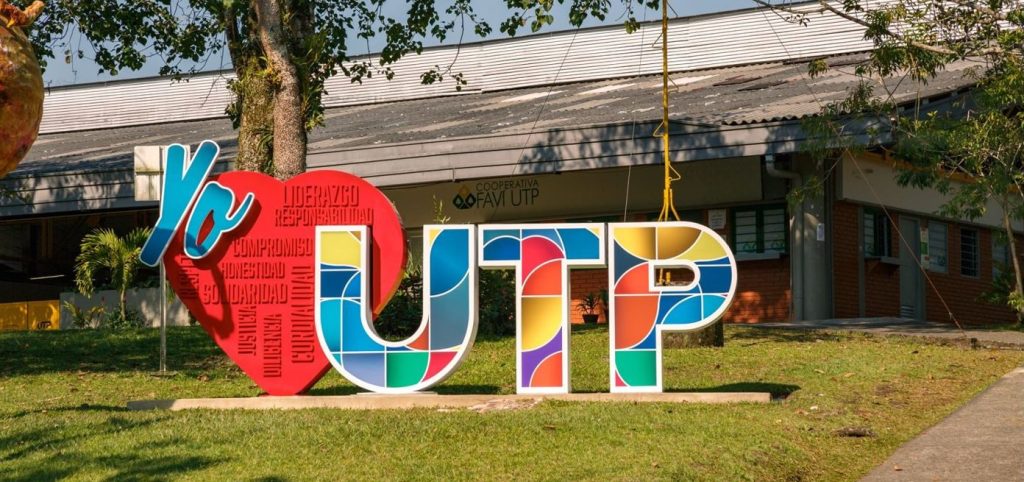
Mafe began her engineering studies at the Universidad Tecnológica de Pereira, a major technological university committed to fighting gender inequality in higher education. Notably, it integrates feminist, activist, and social science studies into its reflection on the place of women in science.
Mafe’s nationality is an important factor in her appreciation of engineering. She explains that in Colombia, girls are less discouraged when they undertake scientific studies, particularly because this choice is made before entering higher education.
“In Colombia, gender stereotypes are less pronounced in the choice of studies. It is quite normal to have as many men as women in certain engineering programmes or in medicine, whereas in France, these distributions remain more gendered. Students choose their engineering specialisation even before entering university: industrial, mechanical, civil, electrical, computer, chemical engineering… The training is therefore specialised from the start.”
In France, it is the opposite. Students begin their university journey with general education and then refine their choice to specialise. This is a key to feminising engineering: reaching out to young girls earlier in their school career to spark a scientific vocation in them. Mafe adds that support from professors was an important factor for her self-confidence.
“I also really appreciated the Colombian education system, where professors had dedicated weekly slots to receive students and answer their questions in a more personalised way. This fostered more comprehensive learning and real support, especially for complex concepts.” . “
What role models for girls in science?
As is tradition, we always ask our Ambassadors about the role models who helped them envision a scientific career. Mafe introduces us to three of her role models from the scientific world and beyond.
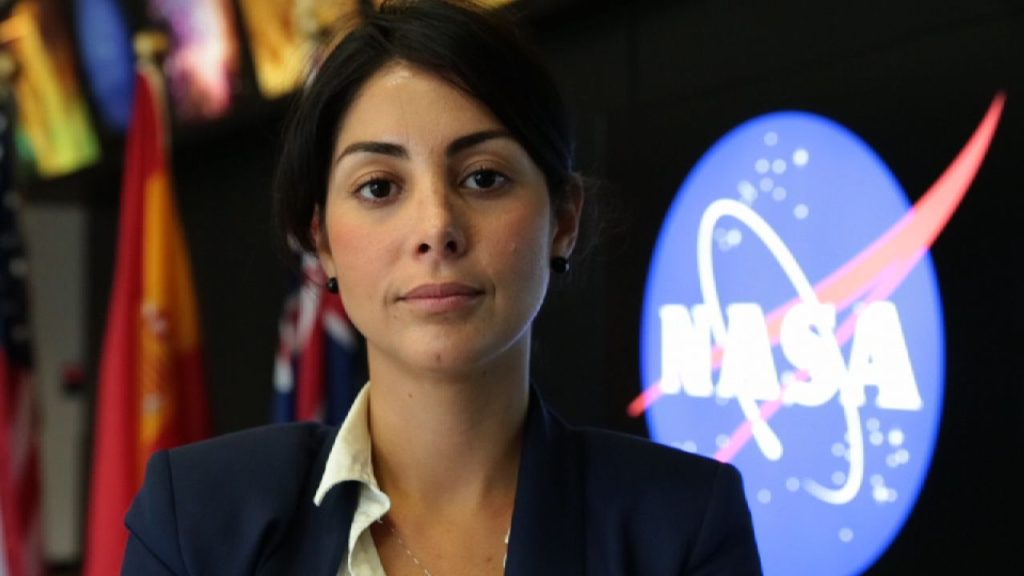
“One of my main role models is Diana Trujillo, a Colombian aerospace engineer born in Cali. From a young age, she dreamed of working in space exploration. She emigrated to the United States at 17 with very few resources, without speaking English, and yet managed to study aerospace engineering and join NASA. Today, she leads teams and projects related to space exploration, notably as part of the Artemis programme for the return to the Moon. Her journey is, for me, an immense example of perseverance, courage, and determination.”
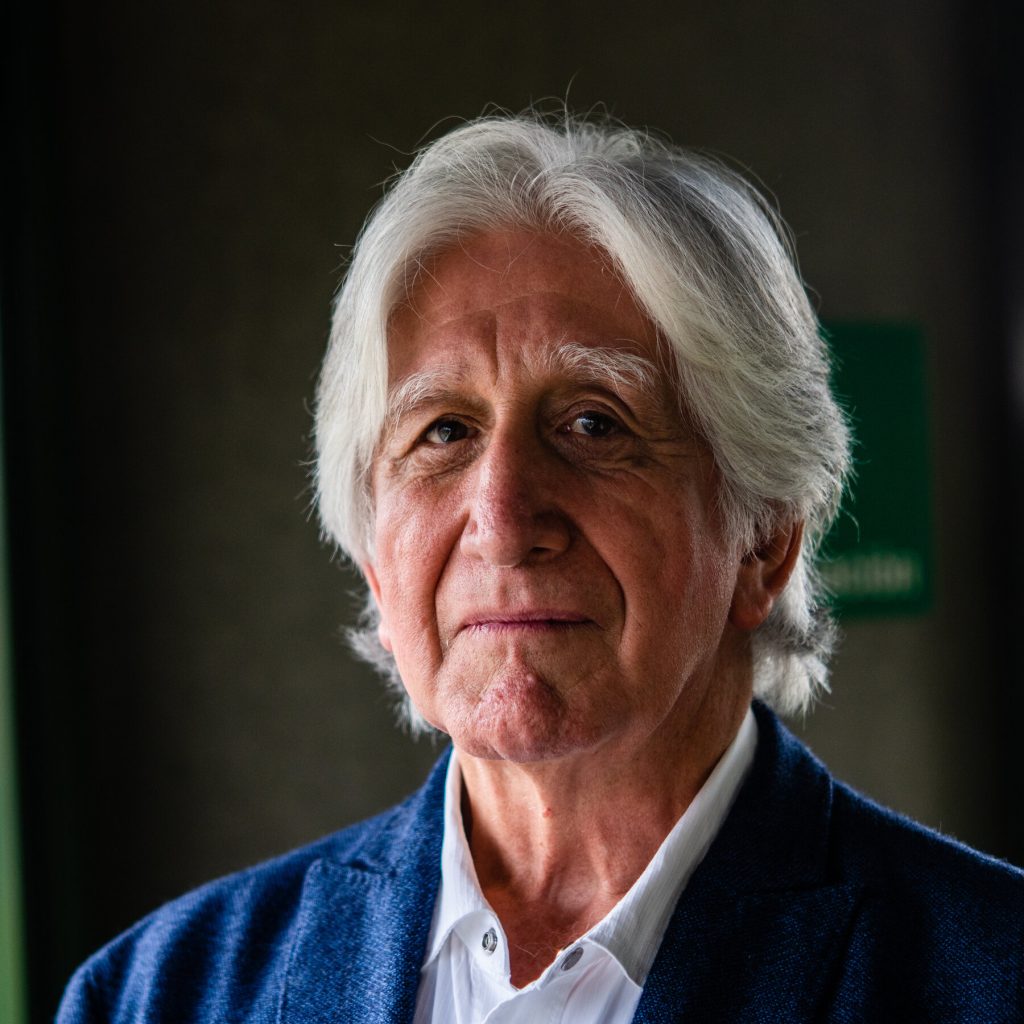
“Another important role model is Francisco Lopera, a Colombian neurologist. His research on Alzheimer’s disease has allowed for the testing of preventive treatments before symptoms appear, which represents a major advancement in medicine. Thanks to his work, Colombia has become a key player in global Alzheimer’s research.”
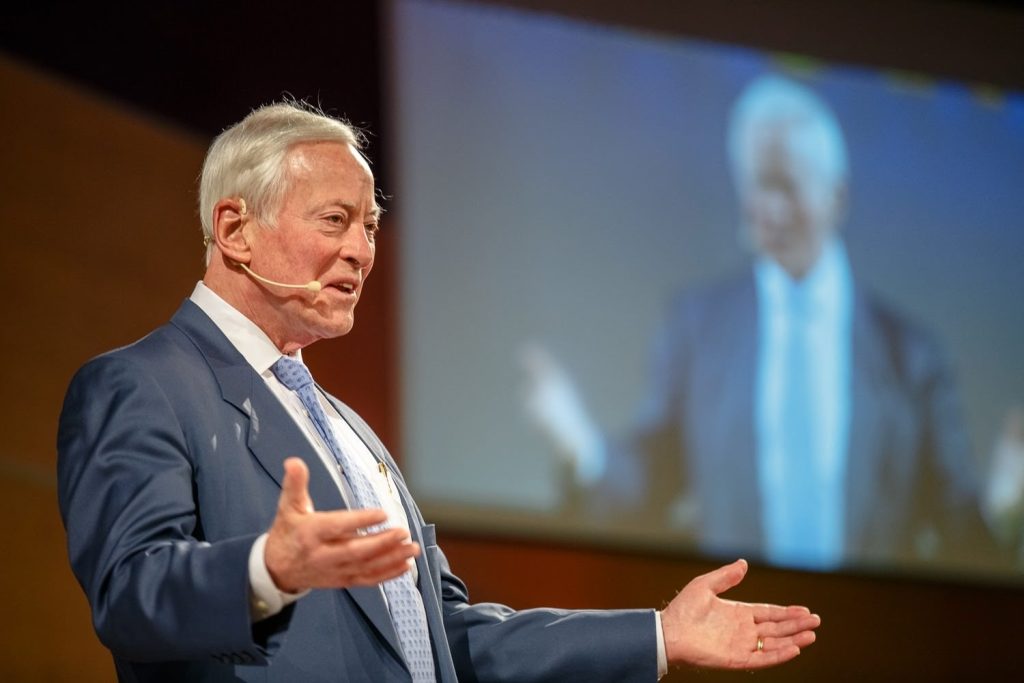
“Outside the scientific field, one of my role models is Brian Tracy, an author and speaker on personal development. I admire him for the importance he places on discipline, clarity of goals, emotional stability, and personal responsibility. His teachings show that, through solid habits and constant effort, anyone can progress personally and professionally, regardless of their starting point.”
Diana Trujillo, Francisco Lopera, and Brian Tracy: three inspiring role models shared by Mafe, while she insists on the strong bond she maintains with the country where she was born. Colombia is a model for the student and will remain so throughout her studies.
“In Colombia, I learned discipline, hard work, and perseverance. I had excellent professors who gave me a solid academic foundation, which helps me enormously today in France. I also learned that when you have a clear vision of your goals and the meaning of what you do, everything becomes possible.”
By interviewing our IMT ambassadors, levers for the feminisation of engineering are emerging. Mafe highlights the need to showcase female role models in engineering, raising awareness of scientific subjects from a young age, and the importance of better representation of women in engineering schools and companies. In this portrait, our ambassador also provides an outside perspective on scientific studies in France. While gender inequalities also exist in Colombia, we can draw inspiration from their commitment against stereotypes. Taking into account the work of female social science researchers and activists, and helping students specialise earlier, are examples of paths to follow.