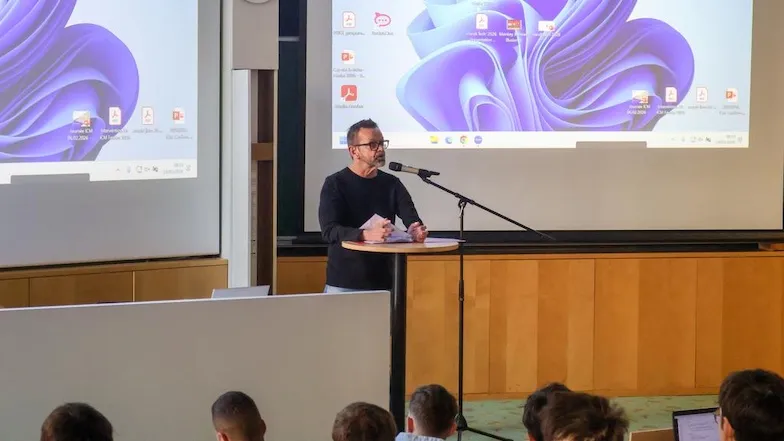
On the occasion of the Handi’Tech Day organized by the Diversity Mission of Mines Saint-Étienne, the School welcomed Felix Gretarsson, the first patient in the world to receive a bilateral upper limb transplant.
A moving and attentive moment for the students and staff present in the auditorium.
Felix Gretarsson is of Icelandic origin. In 1998, he suffered a severe electrical accident that resulted in the amputation of both his arms. His back was also broken and his liver damaged, but Felix explains that these traumas are not the most difficult part of his accident. The consequences of his disability, those that are invisible to able-bodied people, are the most painful.
“What kind of father can no longer hold his daughters in his arms?”
Brushing his teeth, caring for his children, cooking—daily tasks become impossible to perform without assistance. Felix Gretarsson wants to raise awareness about these difficulties that are not visible and that require genuine work on accessibility and adaptability in daily life by public authorities. His visit to Mines Saint-Étienne is a way to encourage tomorrow’s engineers to take into account the invisible dimension of disability.
After years of struggling with alcohol, Felix decided to take control of his life again. He learned that hand transplants had been performed in Lyon, China, and the United States. He contacted Dr. Dubernard at Édouard Herriot Hospital and began 14 years of treatment under his care.
In 2021, 23 years after his accident, Dr. Dubernard operated on Felix, who woke up with new arms. The transplant patient could once again dress himself, work, and hold his children in his arms. His nerves regenerated faster than expected, taking 9 months to reach his hands. Felix emphasizes how painful this regeneration was.
This was a turning point for Édouard Herriot Hospital, which risked its reputation by treating Felix Gretarsson and which agreed, following his operation, to take on other future transplant patients.
Today, Felix Gretarsson raises awareness about the invisible consequences of disability. He supports people with disabilities so that homes, parking lots, and public spaces are adapted and that this becomes the norm. To help people understand the difficulties of his disability, he asked the audience to imagine a full day with their hands in their pockets, where everything becomes complicated.
The reason for his visit to Mines Saint-Étienne is to challenge tomorrow’s engineers regarding disability. It is not only about accessibility or mobility but also about the social perception of disability. He denounces the fact that society focuses on the visible injury more than on the invisible consequences it entails.
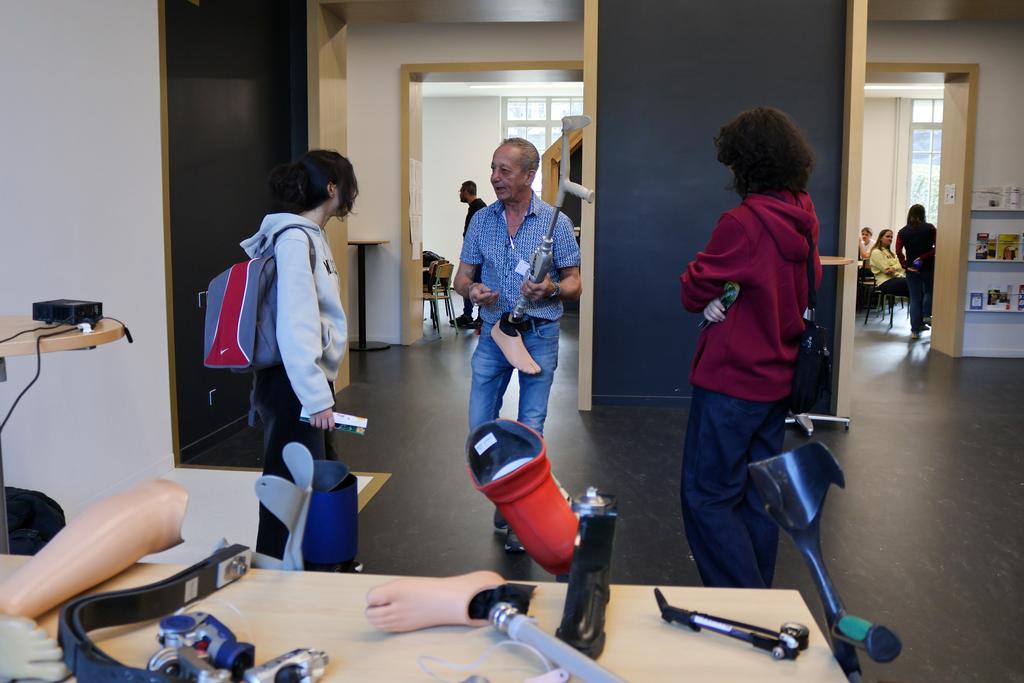
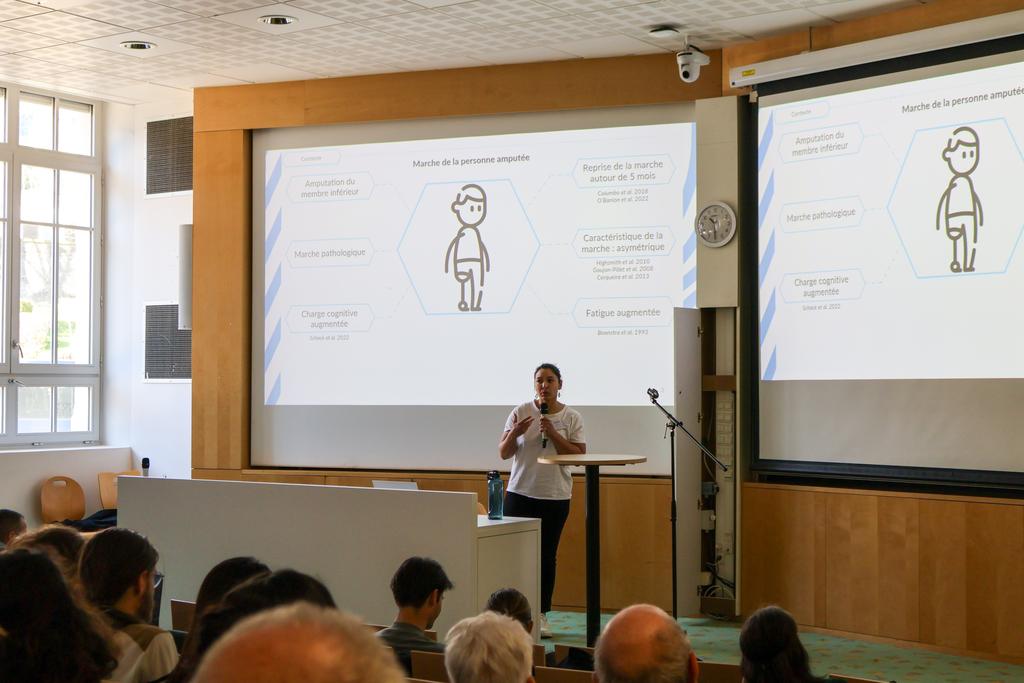
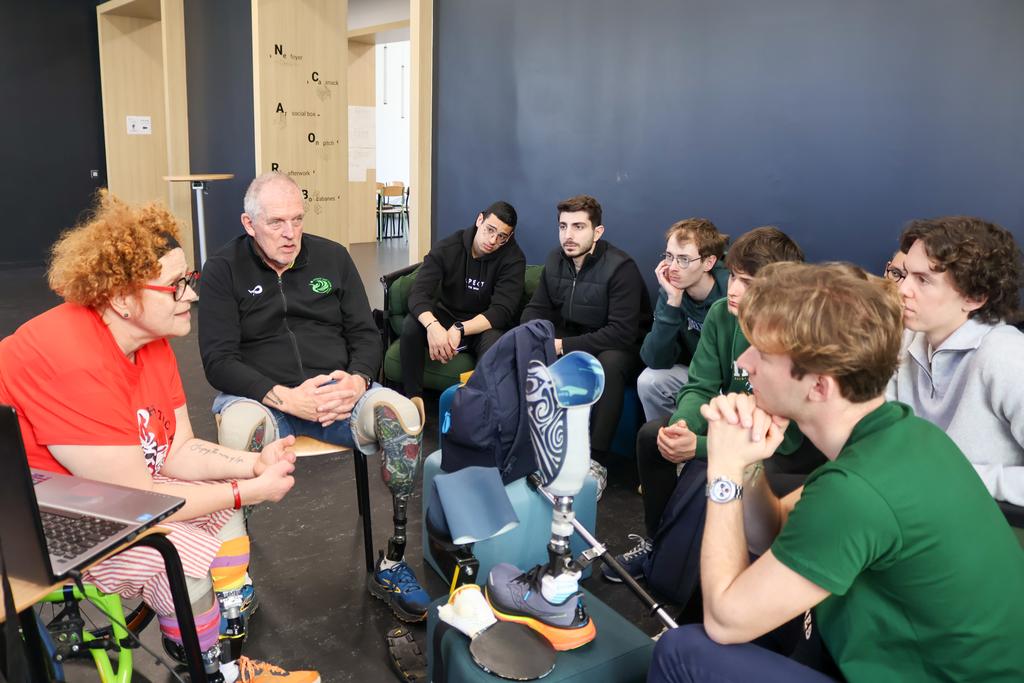
Mines Saint-Étienne thanks the organizing team for this day of inclusion and dialogue: Hélène Pangot, Julie Jaffre, and Carole Claudinon. We also thank all the speakers who came to share their expertise on disability as well as the participants who gave their time and shared their testimonies with the students.