On the Aix-Marseille-Provence campus, the conversation is not only about microelectronics.
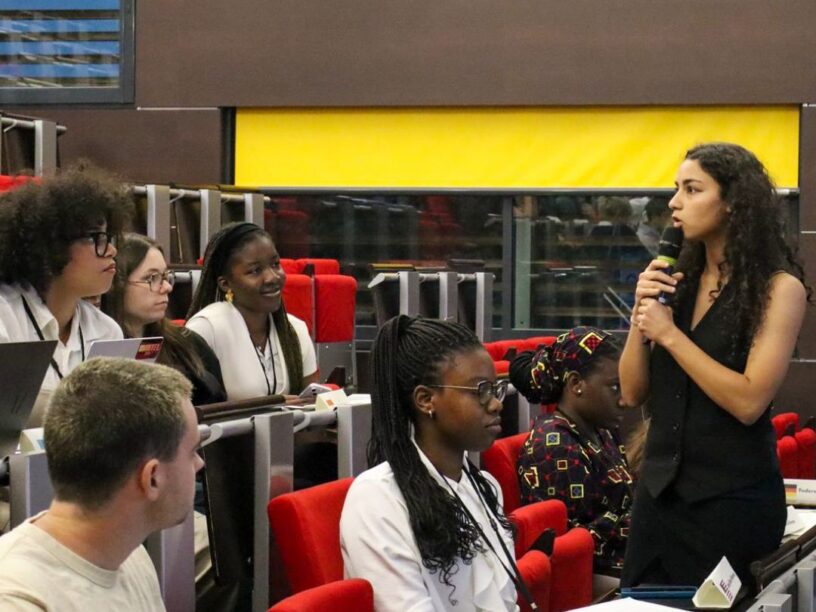
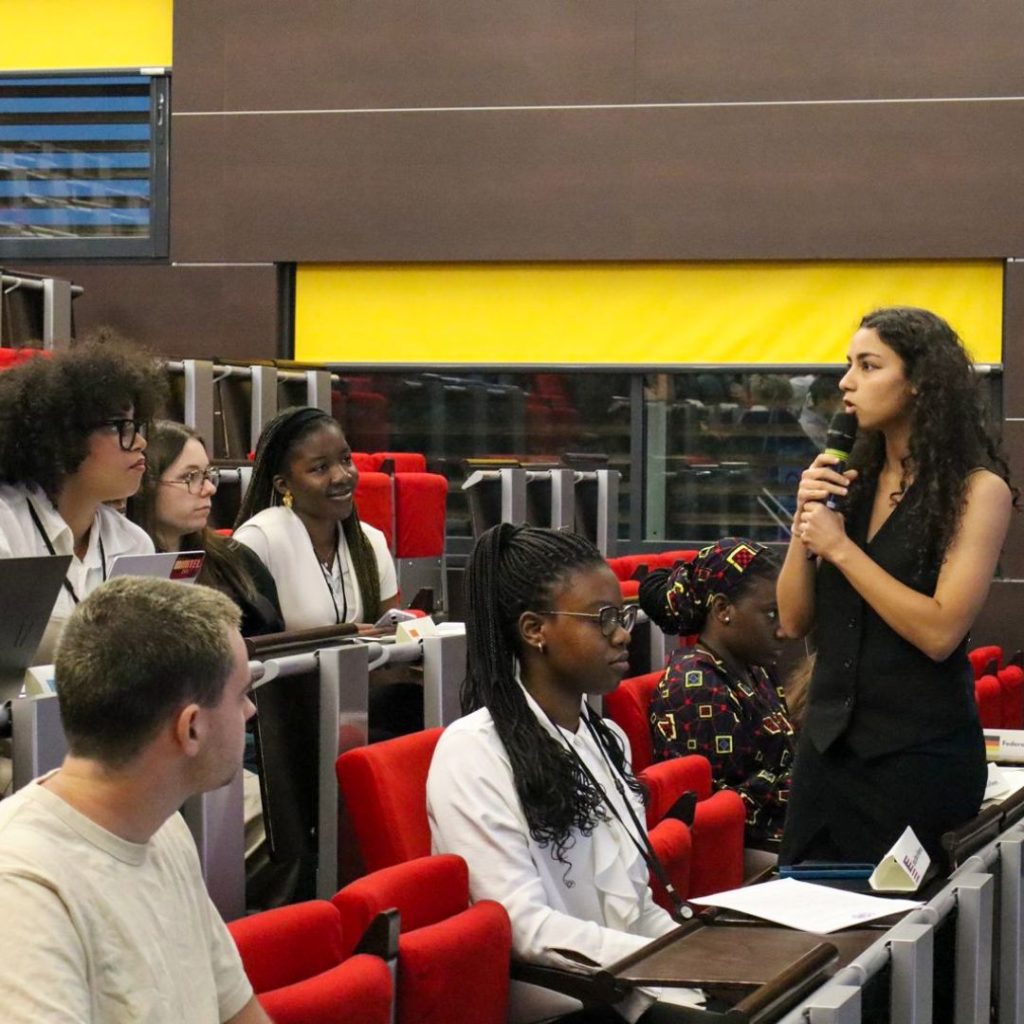
Space, cybersecurity, the environment, access to healthcare, data protection, international security… all topics addressed by the United Nations, which ISMIN students take up during “Model United Nations” simulation sessions.
It was Soulaf Allali, an ISMIN student, who proposed the idea of organising these debates. Inspired by real diplomatic exchanges, the students discuss and defend the interests of the country or delegation they represent. We asked Soulaf a few questions to better understand her initiative and how the exchanges unfold.
“I had the opportunity to take part in a Model United Nations at the international high school where I studied. That is where I realised how educational this exercise is. (…) At Mines Saint-Étienne, we do not train only technicians : we train responsible engineers, aware of the political, social and ethical implications of technologies.”
The sessions take place every Wednesday and follow the codes of UN debates: parliamentary procedures, role allocation, presentation of resolutions, amendments, formal speeches and even a professional dress code. “MUN also helps develop very useful skills: public speaking, rhetoric, argumentation, teamwork, and precise English vocabulary.”
These debates provide a structured, collaborative framework to address real issues while strengthening communication and reasoning skills, which are essential both in engineering and in global governance.
Soulaf emphasises that “engineering students bring a different way of thinking to MUN: structured, analytical, solution-oriented, and not just rhetoric. A practical mindset and an ability to turn ideas into workable strategies, which diplomats do not always have.”
“Where diplomacy brings the vision, engineering brings feasibility.”

“One thinks about intent, the other thinks about implementation.”
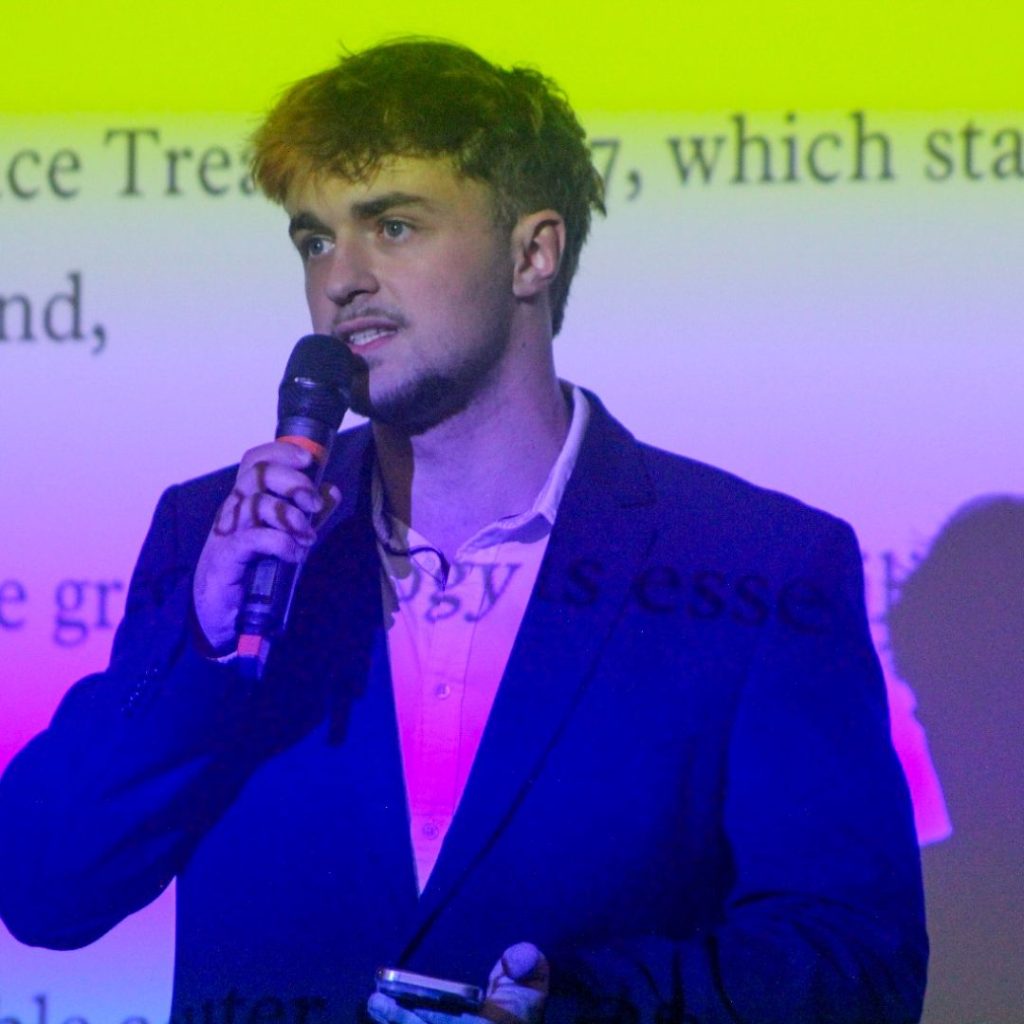

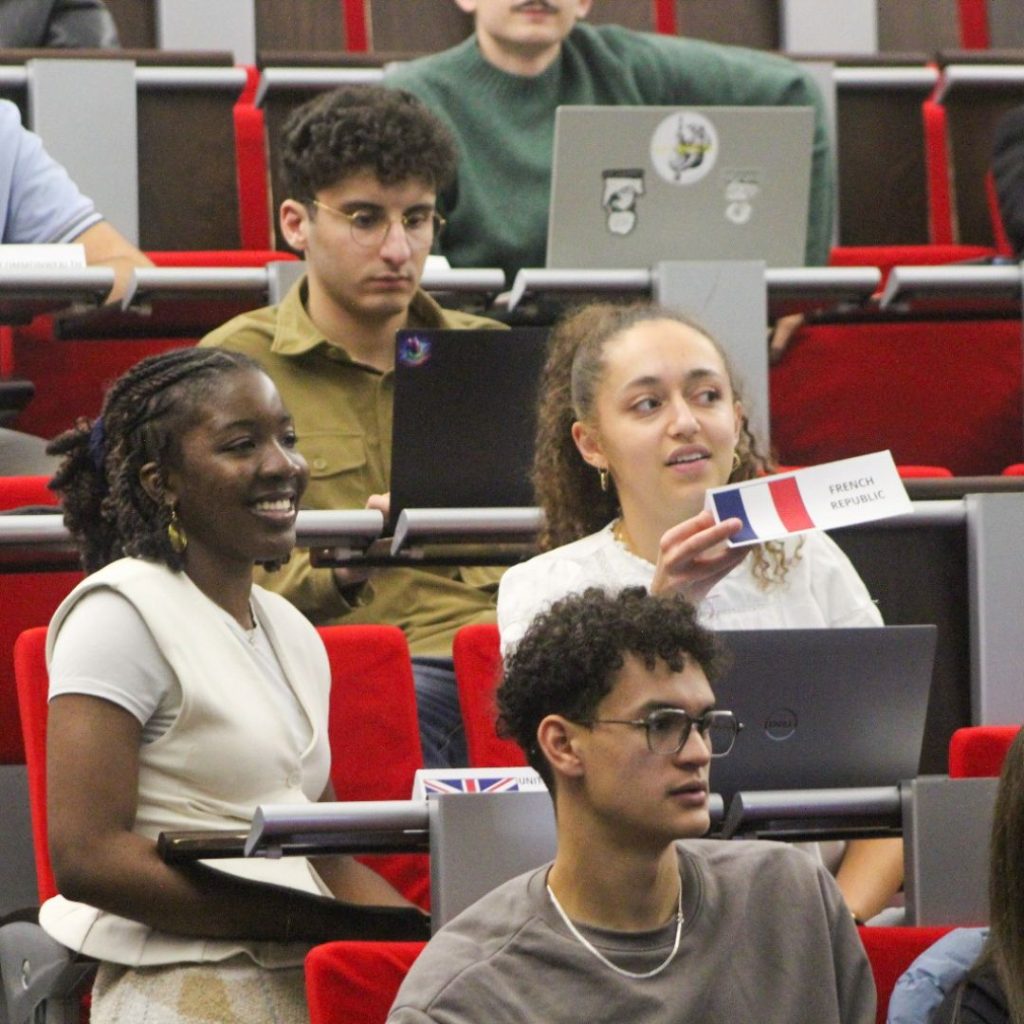
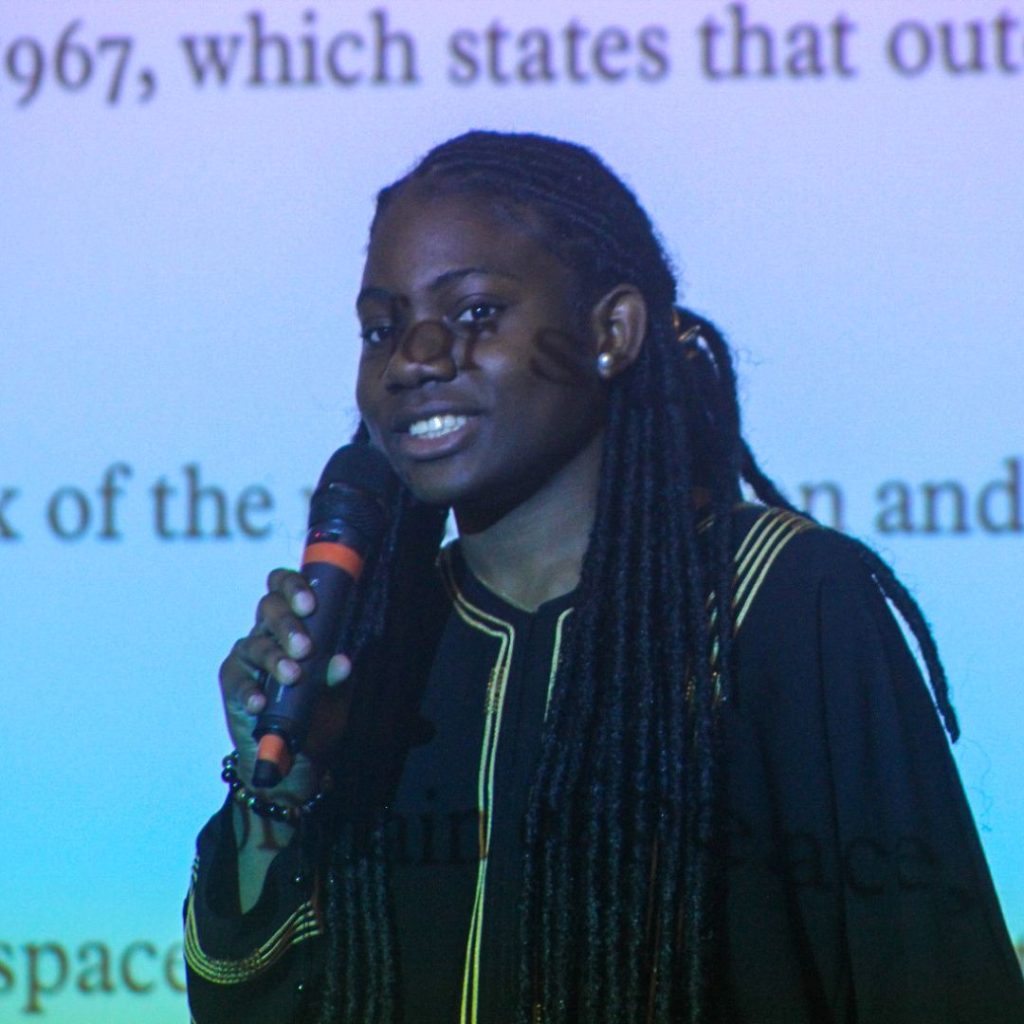
During a “Governing Outer Space” session, Soulaf tells us about a turning point in the UN debate.
“During this session, the United States presented the sharing of space discoveries as a common good accessible to all—at first glance, a perfectly cooperative and almost “pacifist” speech.
But Egypt then pointed out a reality that is often overlooked: emerging countries, theoretically included in these programmes, in practice have neither the infrastructure, nor the budgets, nor the technical capabilities to truly benefit from them. They are not officially excluded, but they have no chance of competing in today’s space economy.
This simple argument shifted the debate: it moved from a very theoretical discussion to a genuine awareness. It is not enough to display values such as inclusivity or sharing; in reality, structural inequalities make certain promises unrealistic.
In an instant, the committee moved from moral discourse to a clear-eyed analysis of real power dynamics, and that is exactly what makes this kind of debate so valuable.”
We congratulate all the students who take part in the Model United Nations and who imagine a collaborative global future. Soulaf and her classmates embody the responsible young engineers trained at Mines Saint-Étienne.